Understanding "what is an industrial electric motor" is crucial in various sectors. According to Dr. Emily Carter, a leading expert in electric machinery, "Industrial motors are the backbone of modern manufacturing." This statement emphasizes the significance of these devices in powering machinery and equipment.
Industrial electric motors convert electrical energy into mechanical energy. They operate on the principle of electromagnetic induction. Various applications rely on these motors, including pumps, conveyors, and compressors. Yet, many people overlook their importance in daily operations.
The challenges surrounding industrial electric motors also deserve attention. Maintenance can be complex. Frequent breakdowns can lead to unplanned downtime. Understanding the intricacies of these motors can enhance reliability and efficiency. Therefore, exploring "what is an industrial electric motor" helps us appreciate their role and expand our knowledge about their operation and maintenance.
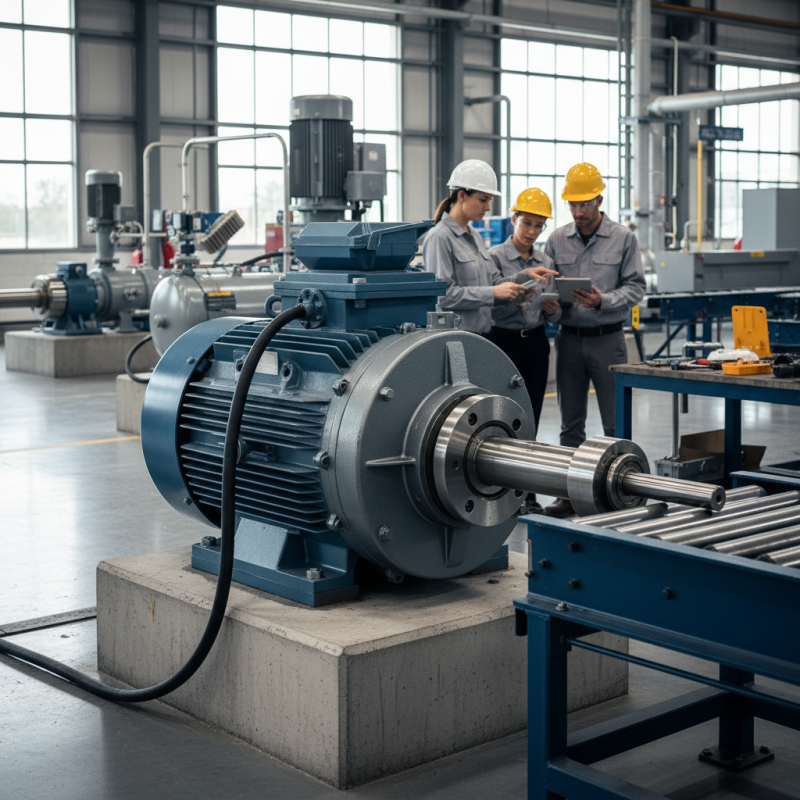
What is an Industrial Electric Motor?
Industrial electric motors are vital components in various manufacturing processes. According to a report by the International Energy Agency, electric motors account for approximately 45% of global electricity consumption in industrial sectors. These motors convert electrical energy into mechanical energy, driving machines such as conveyors, pumps, and fans. The efficiency of these motors significantly impacts operational costs and energy consumption.
The design of industrial electric motors often includes standardized features, ensuring durability and reliability. Most are built to withstand harsh conditions, which is essential for continuous operation in factories. The average lifespan of a well-maintained motor can exceed ten years. However, not all motors operate at peak efficiency. In fact, studies indicate that around 20% of motors in service are oversized, leading to inefficiencies and increased energy costs.
Maintenance is crucial. Regular inspections can identify wear and tear, helping to extend motor life. Unfortunately, many facilities overlook these procedures. This neglect can lead to unexpected failures, causing costly downtime. Understanding the specific needs of machinery can enhance performance and reduce waste over time. With proper assessment, businesses can optimize their use of electric motors for better productivity and sustainability.
Types of Industrial Electric Motors and Their Applications
Industrial electric motors are essential components in various industries. Their design and functionality vary based on application needs. There are several types of motors: AC motors, DC motors, servo motors, and stepper motors. Each has unique mechanisms and advantages.
AC motors are prominent in industrial settings. They are often used for larger machinery due to their efficiency. Reports indicate that about 75% of industrial machines utilize AC motors. They excel in constant-speed applications, making them reliable for pumps and fans. Conversely, DC motors are favored for applications requiring variable speed control. Their ability to provide precise speed and torque makes them suitable for conveyor systems.
Meanwhile, servo motors and stepper motors are critical for automation. Servo motors deliver high precision and are utilized in robotics and CNC machinery. According to industry analysis, their market is expected to grow by 6% annually. Stepper motors, on the other hand, are commonly used in 3D printers and digital printing. They are known for their accuracy but may struggle with high-speed applications. Understanding these dynamics helps in selecting the right motor for specific tasks.
Basic Components of an Industrial Electric Motor
Industrial electric motors are essential in various applications. Understanding their basic components helps us appreciate how they function. The primary parts of an industrial electric motor include the stator, rotor, and housing. Each plays a vital role in the motor’s operation.
The stator is the stationary part. It houses the winding coils, creating a magnetic field when electricity flows through them. This magnetic field interacts with the rotor. The rotor is the rotating component that converts electrical energy into mechanical energy. It spins when exposed to this magnetic field. Housing protects these components and provides structural integrity.
Winding configurations are often overlooked. Each configuration influences efficiency and torque. It's important to choose the right design for your specific application. Regular maintenance of these components is also crucial. Wear and tear can lead to performance degradation. Understanding these elements can lead to smarter choices in industrial settings.
What is an Industrial Electric Motor and How Does It Work? - Basic Components of an Industrial Electric Motor
| Component |
Description |
Function |
| Stator |
The stationary part of the motor that creates a magnetic field. |
Provides the magnetic field for the rotor to rotate. |
| Rotor |
The rotating part of the motor that interacts with the magnetic field. |
Converts electrical energy into mechanical energy. |
| Windings |
Coils of wire on the stator and rotor that generate magnetic fields when electrical current flows through them. |
Essential for creating the magnetic fields needed for torque generation. |
| End Bells |
The covers on both ends of the motor that house the bearings and other components. |
Support the rotor and protect internal components. |
| Bearings |
Mechanical components that allow for smooth rotation of the rotor. |
Reduces friction and wear during operation. |
| Cooling Fan |
A fan typically mounted on the rotor to dissipate heat generated during operation. |
Prevents overheating of the motor. |
How Does an Industrial Electric Motor Operate?
Industrial electric motors are essential for various applications, powering machines in manufacturing, transportation, and more. These motors largely operate on the principles of electromagnetism. An electric current flows through coils, creating magnetic fields that interact with permanent magnets or other coils. This interaction generates rotational motion, converting electrical energy into mechanical energy efficiently.
The efficiency of industrial motors can vary significantly based on design and materials used. According to a report by the U.S. Department of Energy, about 70% of industrial electricity consumption is due to electric motors. Despite advancements, many existing motors operate below optimal efficiency levels. This inefficiency raises operational costs and increases waste, highlighting a need for upgrades or replacements.
Understanding motor operation requires attention to details such as torque, speed, and load conditions. Many operators often overlook the importance of regular maintenance. Failure to monitor performance can lead to decrease in efficiency over time. This oversight might seem minor, but it can escalate into larger issues that affect production output. Emphasizing proper upkeep aligns with best practices for maximizing motor lifespan and functionality in industrial settings.
Common Uses and Benefits of Industrial Electric Motors
Industrial electric motors are vital for modern manufacturing and production. Their common uses span various industries, from automotive assembly lines to conveyor systems in warehouses. These motors drive machinery, enabling efficient operation and enhancing productivity. By converting electrical energy into mechanical energy, they power tools, pumps, and other essential equipment.
The benefits of industrial electric motors are significant. They reduce energy costs by operating efficiently. In addition, they require less maintenance compared to their gas-powered counterparts. This reliability ensures minimal downtime, boosting overall efficiency. Motors can also be easily integrated with automated systems to improve production processes.
Tips: Regular maintenance is crucial. Check for signs of wear regularly. Keeping motors clean can extend their life. Also, investing in high-quality components can contribute to better performance.
Electric motors come in various sizes and designs. Choosing the right one is essential for optimal operation. Evaluate the specific needs of your facility before making a decision. A mismatched motor may cause inefficiencies. Regularly review your motor inventory to ensure it meets current demands.
Industrial Electric Motor Usage Statistics
Conclusion
An industrial electric motor is a device that converts electrical energy into mechanical energy, widely used in various industrial applications. The types of industrial electric motors include AC and DC motors, each serving specific functions depending on factors like efficiency and speed control. The basic components of these motors consist of stators, rotors, and windings, which work together to facilitate operation.
Understanding how an industrial electric motor operates involves recognizing the principles of electromagnetism, where current flowing through the windings creates magnetic fields that drive the rotor's movement. These motors are essential in various sectors, providing benefits such as energy efficiency, reliability, and ease of maintenance, ultimately enhancing productivity and performance in industrial settings.

 KPR Motor