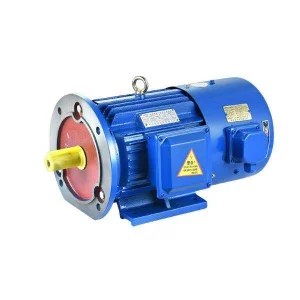
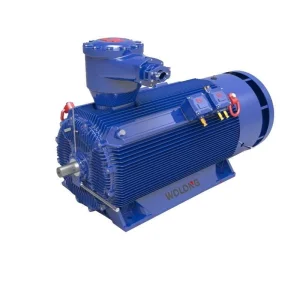
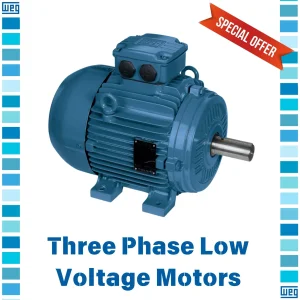
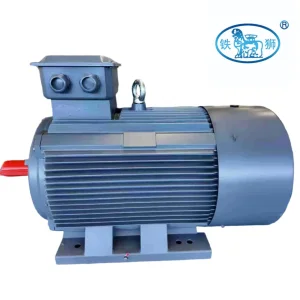
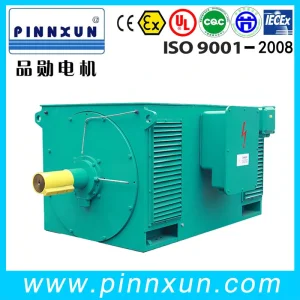
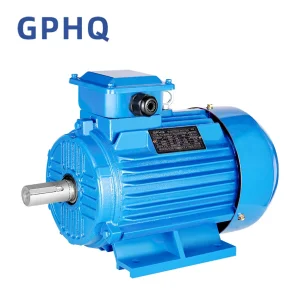
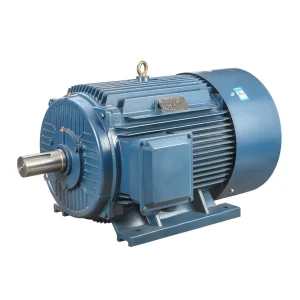
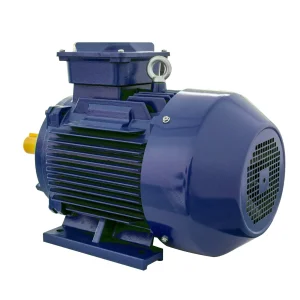
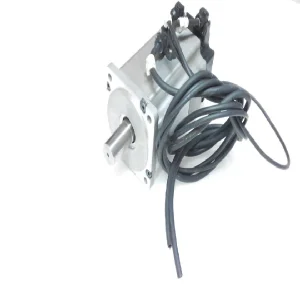
Explore our top-tier squirrel-cage rotor systems and high-torque three-phase induction drives engineered for robust mechanical configurations.
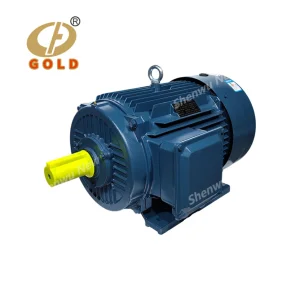
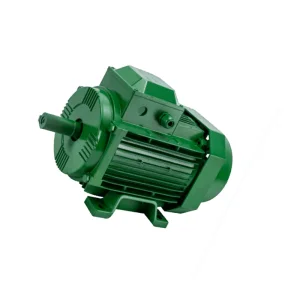
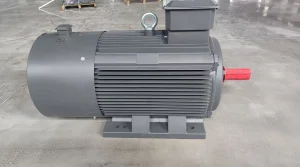
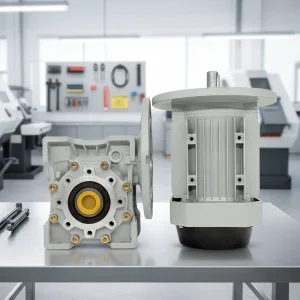
The global industrial ecosystem is undergoing a rapid transition toward decarbonization and optimal electrical consumption. As the backbone of heavy manufacturing, infrastructure development, and industrial automation, asynchronous motors (also known as induction motors) consume more than 50% of the world's total industrial electricity. This massive energy imprint places asynchronous motors manufacturers at the forefront of the modern green revolution.
Under stringent regulatory protocols, such as the European Union’s Ecodesign Directive (EU) 2019/1781 and the United States NEMA Premium efficiency guidelines, the global demand has shifted permanently away from low-tier electrical models (IE1/IE2) toward IE3 (Premium Efficiency), IE4 (Super-Premium Efficiency), and emerging IE5 (Ultra-Premium Efficiency) systems. These directives enforce high-efficiency standards on asynchronous architectures, driving manufacturers to design advanced electromagnetic frames that significantly lower operational expenses (OPEX).
In heavy-duty applications across the Americas, EMEA, and Asia-Pacific, variable speed drive (VSD/VFD) systems are now widely integrated with industrial induction machinery. This combination dynamically manages torque output and mitigates high starting inrush current, minimizing mechanical stress and extending motor lifespans under demanding conditions.
The fundamental efficacy of a three-phase asynchronous motor depends on the magnetic interaction between its stator windings and its squirrel-cage rotor. When a balanced three-phase AC supply passes through the stator windings, it creates a rotating magnetic field (RMF) that rotates at synchronous speed. This speed is defined by the line frequency ($f$) and the number of stator magnetic poles ($p$):
Synchronous Speed (RPM): Ns = (120 × f) / p
This rotating magnetic field induces electromotive force (EMF) and corresponding currents within the short-circuited conductors of the rotor. Under Faraday’s Law of Electromagnetic Induction and Lorentz Force principles, the interaction between these rotor currents and the stator's magnetic flux generates mechanical torque. The rotor rotates in the direction of the rotating magnetic field, though it always operates slightly slower than synchronous speed. This relative difference is referred to as slip (s):
Slip (s) = (Ns - Nr) / Ns
To optimize efficiency and reach IE3, IE4, or IE5 benchmarks, manufacturers focus on four core design elements:
Utilizing premium cold-rolled non-grain-oriented (CRNGO) silicon steel laminations (0.35mm to 0.5mm thickness) to significantly reduce core losses from hysteresis and eddy currents.
Slightly skewing the rotor conductor bars relative to the shaft axis suppresses space harmonics, minimizes magnetic noise, and prevents crawling or cogging torque failures.
Maximizing the slot fill factor with premium enameled copper wire reduces stator resistance losses ($I^2R$), supporting higher current densities without heat buildup.
These optimizations ensure stable performance under voltage fluctuations and maintain reliability across heavy-duty industrial workloads.
How three-phase asynchronous electric motors serve as primary prime movers in demanding industrial and environmental settings.
Heavy-duty construction equipment requires motors with excellent starting torque. Our robust three-phase induction systems handle extreme mechanical shocks, dusty construction environments, and high-impact loading cycles.
Water treatment systems and fire pump setups rely on dependable motors. Our UL-certified high-efficiency pump motors provide consistent operation and support continuous, full-capacity fluid movement under pressure.
Operating in cement plants involves high-voltage grids, heavy particulate exposure, and continuous duty cycles. Specialized three-phase motors run bulk material conveyors, grinding mills, and massive ventilation machinery.
Low-voltage three-phase squirrel-cage motors are increasingly used in electric vehicles and marine propulsion systems. These motors offer simple speed control and high reliability in demanding environments.
Continuous ventilation requires reliable, long-term operation. High-voltage models like the YKK series drive large industrial fans, helping maintain airflow in chemical plants and heavy manufacturing spaces.
Integrating asynchronous motors with worm gear reducers and aluminum-shell speed reduction systems yields high-torque, space-efficient drives for packaging machinery and automated material conveyors.
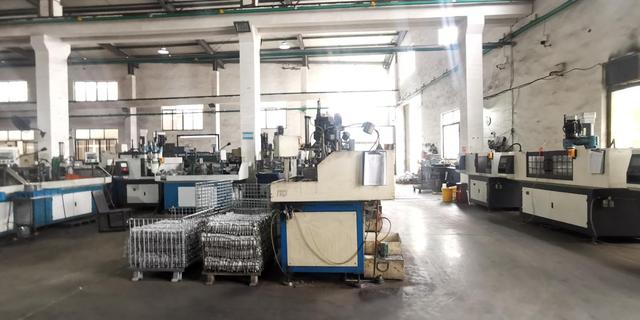
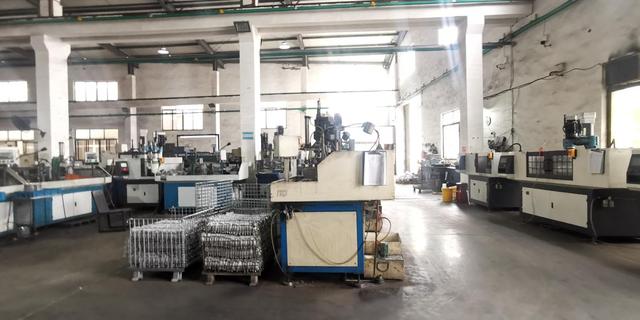
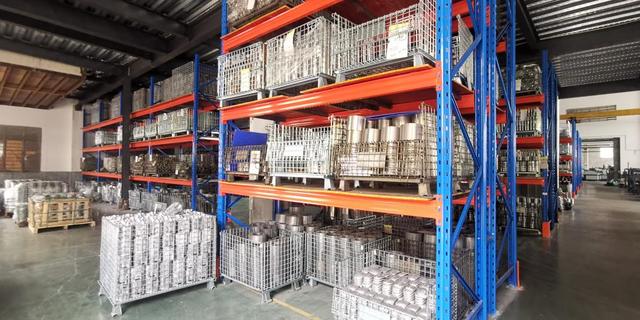
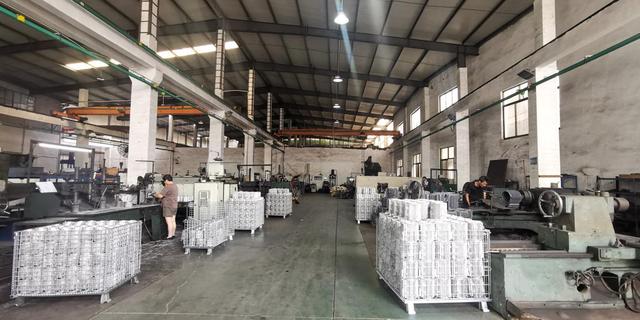
Established in 2010 in Foshan, Guangdong, China, Foshan KPR Motor Co., Ltd. is a dedicated supplier specializing in high-efficiency industrial electric motors. Operating a modern facility that covers over 10,000 square meters and employing more than 200 skilled specialists, we integrate scientific research, precision manufacturing, strict quality control, and global logistics.
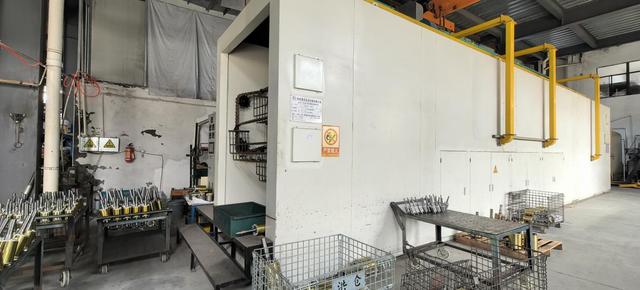
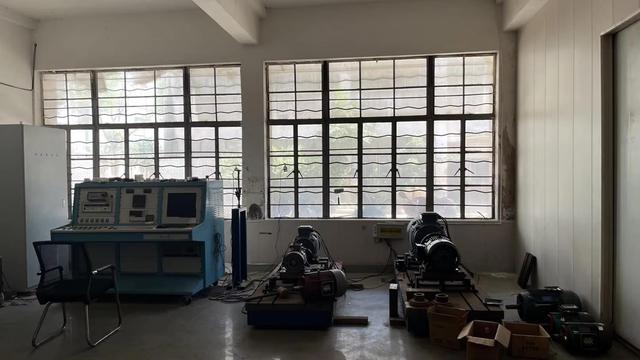
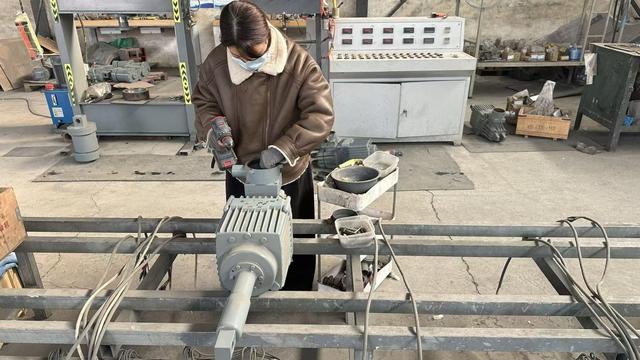
Our manufacturing setup includes high-speed punch laminators, automated slot insulation machines, computerized stator winding lines, vacuum pressure impregnation (VPI) facilities, and dynamic balancing systems. These advanced processes ensure every motor meets strict vibration, noise, and efficiency requirements.
Our product range covers AC motors, DC motors, geared motors, induction motors, brushless drives, permanent magnet systems, variable-speed models, and customized drive units. Designed to meet standards like CE, UL, and GB, our products are widely used in packaging, HVAC, cement plants, and chemical processing.
Through our custom OEM and ODM services, we work closely with global equipment manufacturers, distributors, and system integrators. By tailoring frames, shafts, voltages, and enclosures, we deliver specific drive solutions that optimize energy use and improve machine reliability.

Emerging engineering trends transforming modern electrical machines and industrial automation.
Modern asynchronous motors are transitioning from simple machinery to intelligent, connected devices. Embedded sensor arrays monitor real-time metrics, including tri-axial vibration, winding temperatures, insulation resistance, and magnetic flux. This data is processed by local edge-computing units to predict bearing wear or winding failures before they cause unexpected downtime.
To reach ultra-premium energy benchmarks, manufacturers are utilizing thinner amorphous alloy laminations and improved slot-fill layouts. Advanced electromagnetic simulators help minimize stray load losses, maintaining high efficiency even during partial-load operations.
Sustainable manufacturing focuses on reducing the environmental impact of materials. Our design methodologies emphasize modular construction, allowing stator windings, copper bars, and aluminum casings to be easily disassembled and recycled at the end of their operational lifespan.
Modern high-speed applications place high thermal demands on motor insulation. Our specialized VFD-duty designs incorporate reinforced phase insulation, corona-resistant enameled wire, and insulated bearings to protect against voltage spikes and common-mode shaft currents.
Detailed technical answers to common questions about selecting, operating, and maintaining industrial induction motors.
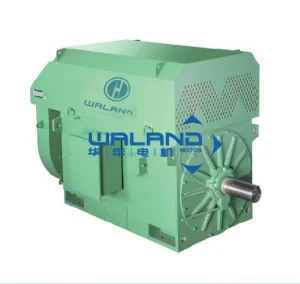
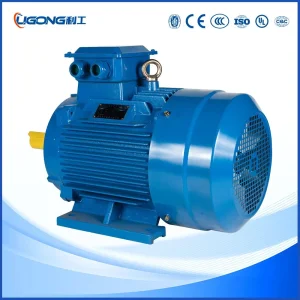
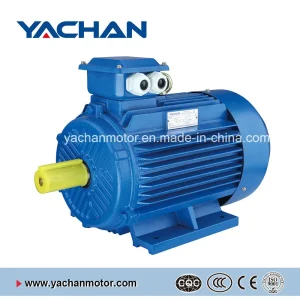
Explore our high-voltage, multi-kilowatt motors designed for heavy processing plants, pumping systems, and automated machinery.
 KPR Motor